 Time read: 4 Mintues
There are moments that feel like pure magic: you hop on a bicycle after twenty years of not riding, and your legs simply know what to do. You sit down at a piano, and your fingers find the notes of a childhood song effortlessly.
How is it possible that such complex information remains etched within us, while the name of someone we met just yesterday seems to vanish into thin air?
The answer lies in the fascinating way our brain categorizes and stores different types of information.
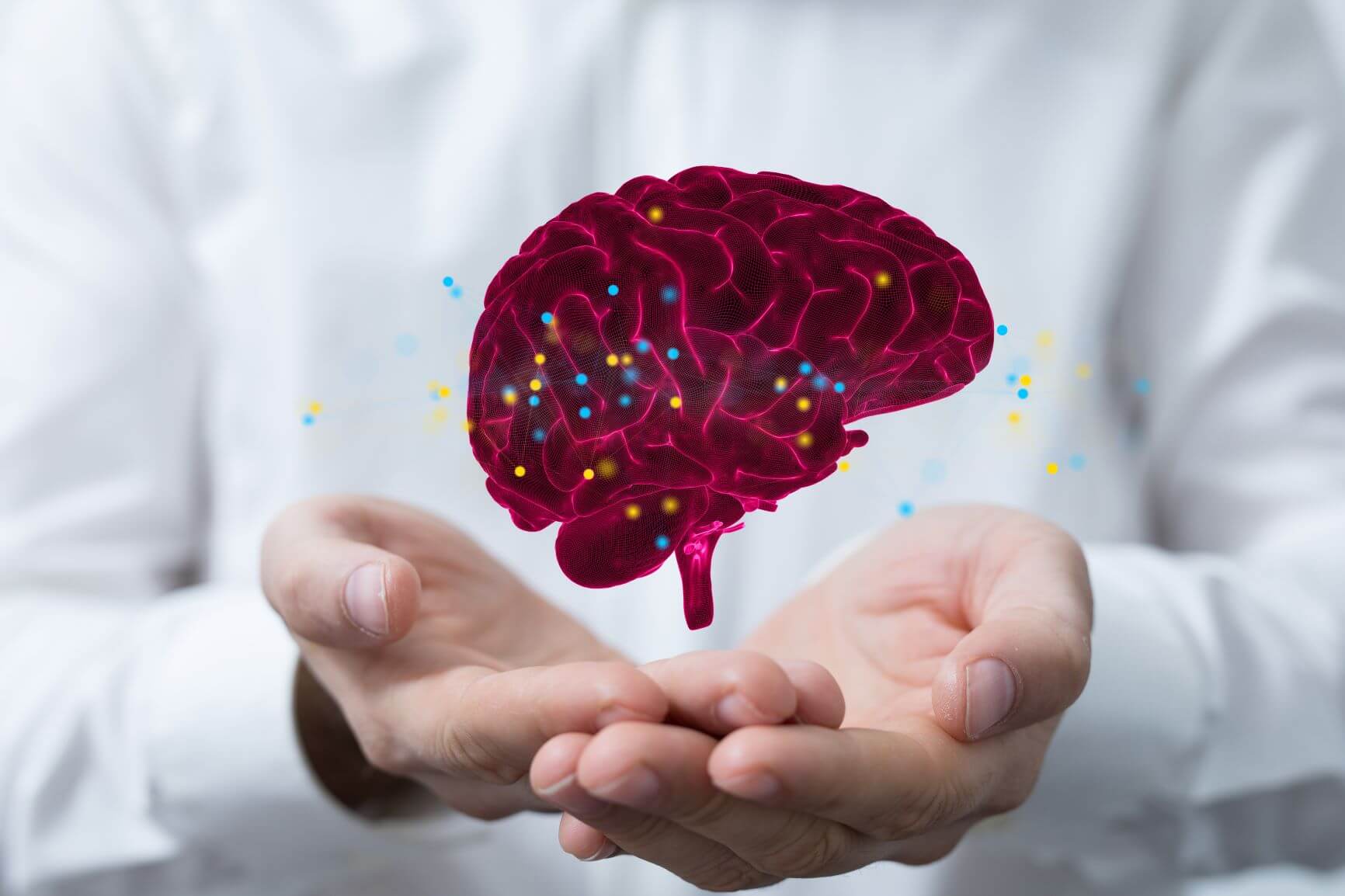
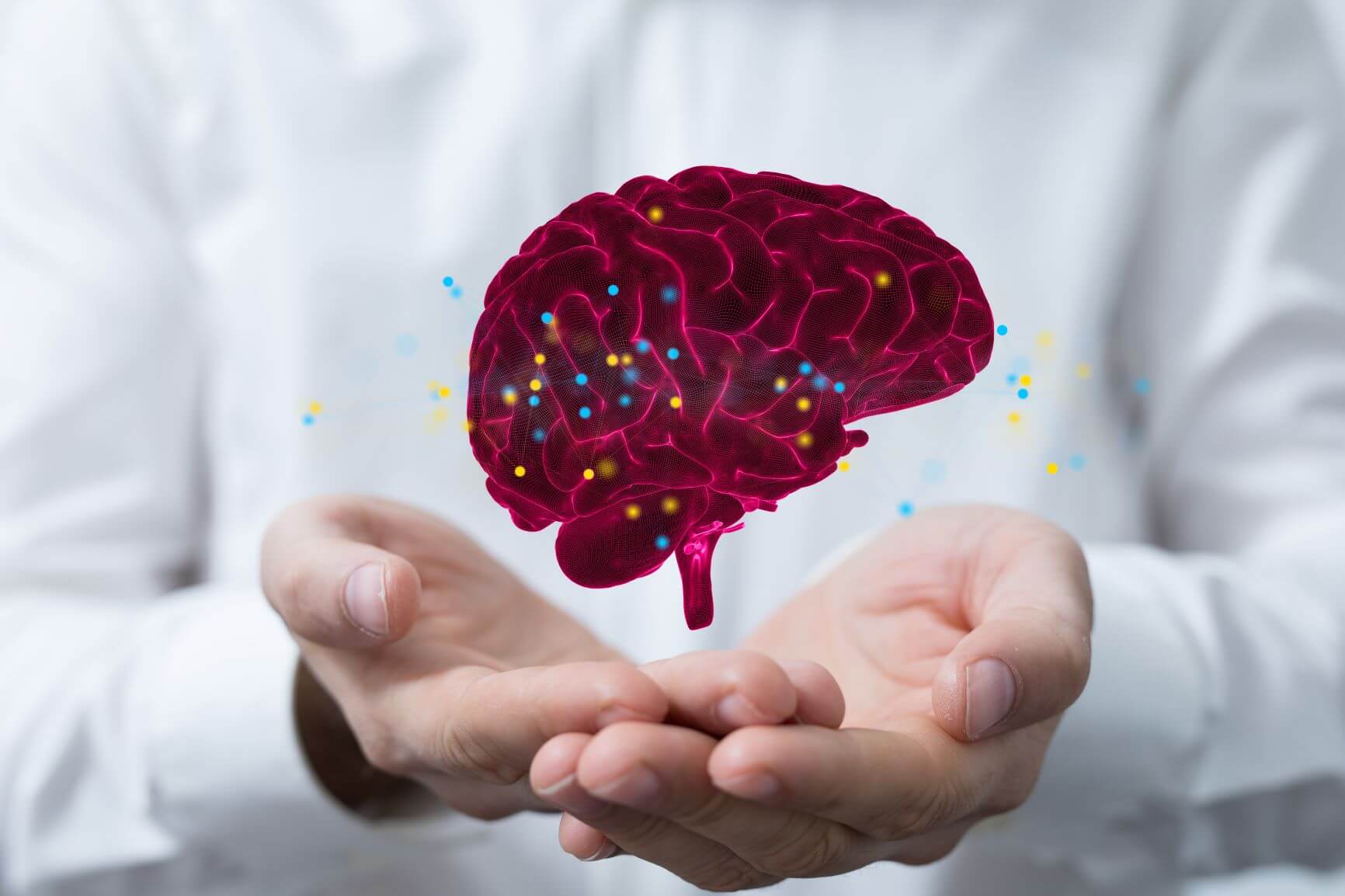
Our brain is not a single “hard drive,” but rather a library with entirely separate wings for different kinds of memories.
Distinguishing the “What” from the “How”
In cognitive science, a fundamental distinction is made between declarative memory (the ability to recall facts, names, and dates) and procedural memory, commonly known as “muscle memory.”
While factual memory relies heavily on the hippocampus, an area relatively sensitive to age-related changes, procedural memory is stored in deeper, more resilient structures such as the striatum and the cerebellum.
Classic neuropsychological studies, such as those reviewed by Squire (2004), have demonstrated that even in individuals with severe short-term memory impairment, the ability to learn and retain new motor skills is often preserved.
This suggests that our bodies are capable of “learning” even when our conscious awareness is not actively recording the data.
Learn more about the importance of Cognitive Reserve >>
The Dance That Builds the Brain
Beyond just riding a bike, procedural memory plays a critical role in maintaining our overall cognitive sharpness.
Activities that require coordination, such as dancing, knitting, or playing an instrument, force the brain to integrate motor regions with executive planning centers.
According to research by Lövdén et al. (2010), cognitive challenges that are integrated with physical or sensory activity create what is known as “Cognitive Reserve.”
This is a mental safety net that allows the brain to bypass certain cognitive declines and continue functioning at a high level.
This is why a comprehensive approach to brain health is so vital: the more “access routes” we build, through movement, rhythm, and repetition, the more resilient our minds become against the effects of aging.
Beyond Autopilot: The Challenge That Keeps Us Young
The “problem” with procedural memory is that it eventually becomes an “autopilot” function.
When we operate on autopilot, the brain enters a state of rest. To keep the brain truly young, we must take our familiar skills and challenge them repeatedly.
Just as a master pianist requires new, complex compositions to improve, our cognitive systems need ever-changing stimuli to stay sharp. This is where Effectivate steps in. By taking the brain’s core functions, attention, perception, and working memory,
and presenting them with dynamic challenges, it prevents the mind from “falling asleep” on its autopilot settings.
The structured training complements the body’s natural memory by strengthening mental flexibility, creating a dual layer of protection: maintaining what we already “know” how to do, while ensuring we never lose the ability to learn something new.
Learn more tips for a sharper brain in our knowledge center >>
Sources
Lövdén, M., Backman, L., Lindenberger, U., Schaefer, S., & Voss, M. W. (2010). A theoretical framework for the study of adult cognitive plasticity. Psychological Bulletin, 136(4), 659–676. https://pubmed.ncbi.nlm.nih.gov/20565172/
Squire, L. R. (2004). Memory systems of the brain: A brief history and current perspective. Neurobiology of Learning and Memory, 82(3), 171–177. https://www.sciencedirect.com/science/article/abs/pii/S1074742704000735
Taubert, M., Lohmann, G., Margulies, D. S., Villringer, A., & Ragert, P. (2011). Long-term effects of motor training on resting-state networks and gray matter structure. Frontiers in Human Neuroscience, 5, 154. https://pubmed.ncbi.nlm.nih.gov/21672633/