Time read: 5 Mintues
For many women, menopause is primarily associated with physical and hormonal changes. Yet one of the most unsettling and least discussed aspects of this life stage is cognitive.
Women frequently report forgetfulness, difficulty concentrating, slowed thinking, and a sense that their mind no longer works as smoothly as it once did.
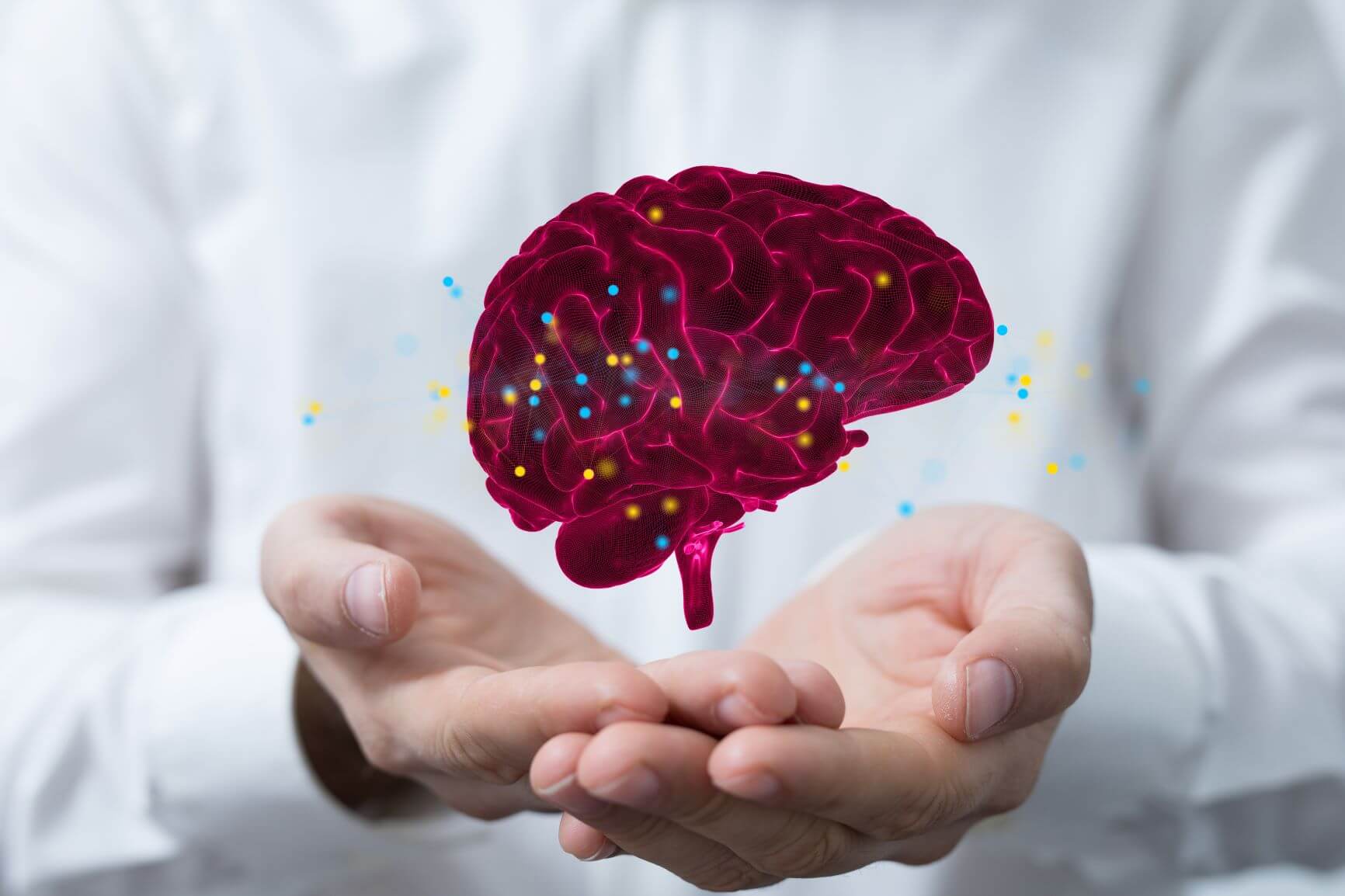
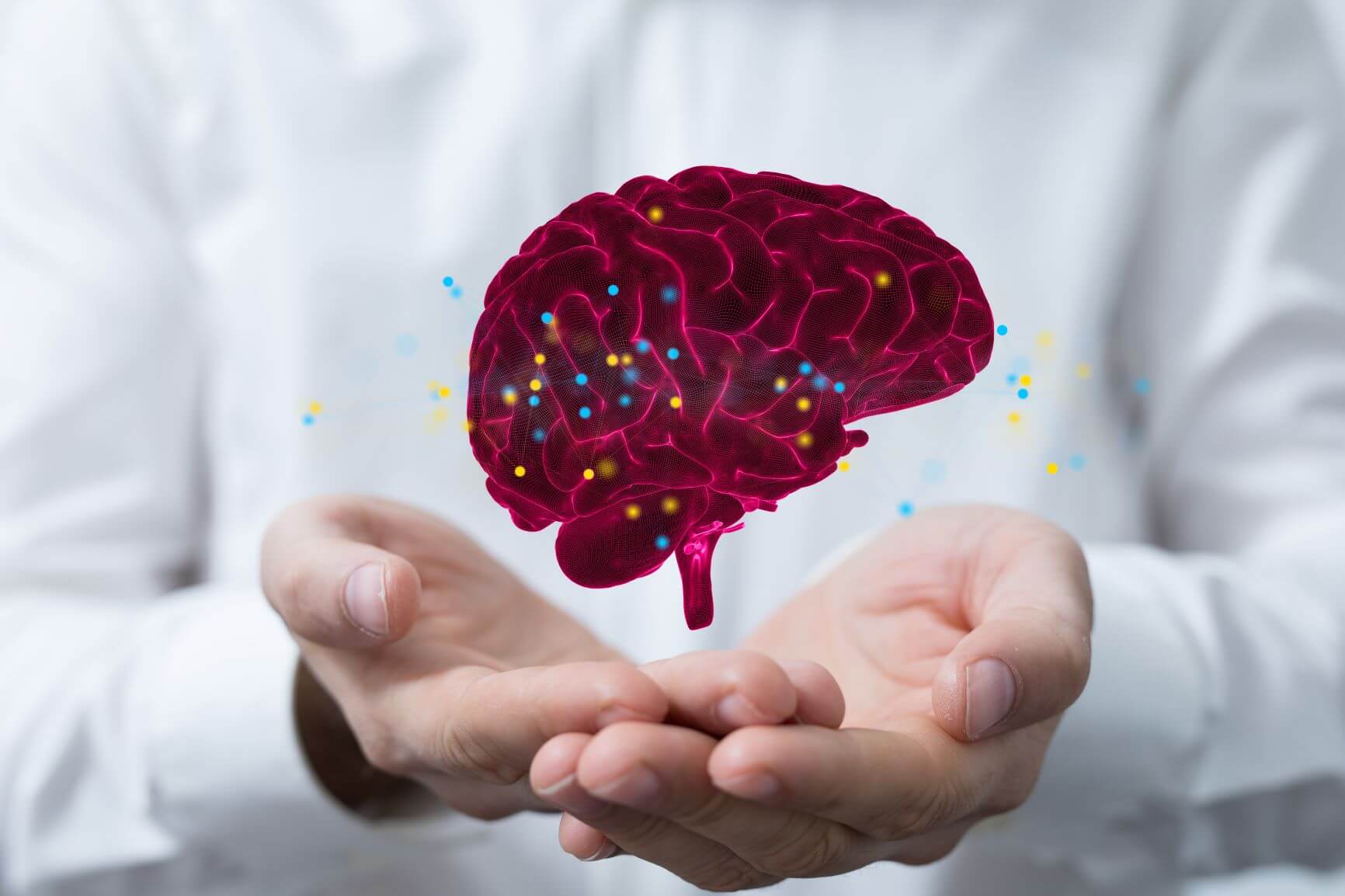
Today, science increasingly validates these experiences. Menopause is not only a hormonal transition but also a neurological one.
During this period, the brain must adapt to significant biological changes that can temporarily affect cognitive performance.
Discover science-backed exercises designed for memory improvement at Effectivate >>
The Connection Between Menopause and Cognitive Function
Estrogen plays a critical role in brain health. Beyond its reproductive functions, estrogen supports blood flow to the brain, synaptic communication, and neural plasticity.
It is particularly influential in brain regions associated with memory, learning, and executive function, including the hippocampus and the prefrontal cortex.
As estrogen levels decline during the menopausal transition, these brain systems may function less efficiently (Brinton et al., 2015).
This does not indicate damage, but rather a shift in how the brain operates under new hormonal conditions.
Importantly, the cognitive impact of menopause varies widely among women. While some experience minimal changes, others notice pronounced effects on everyday mental performance.
Common Cognitive Symptoms During Menopause
Many women describe difficulties with word retrieval, short-term memory lapses, reduced concentration, and mental fatigue.
Large longitudinal studies suggest that up to 60 percent of women experience noticeable cognitive changes during the menopausal transition (Greendale et al., 2010).
These symptoms can be distressing, particularly when they interfere with work, social interactions, or self-confidence. However, research consistently shows that for most women, these changes are functional and temporary rather than signs of progressive neurodegeneration.
What Happens in the Brain During Menopause?
Neuroimaging studies reveal that menopause is accompanied by changes in brain energy metabolism and network organization. During this transition, the brain undergoes a period of adaptation, sometimes described as a process of neural reorganization (Mosconi et al., 2021).
This reorganization may temporarily reduce efficiency in certain cognitive tasks, but it also reflects the brain’s capacity for flexibility and resilience. In other words, the brain is not necessarily declining; it is adjusting to a new physiological environment.
Cognitive Training During the Menopausal Transition
Because the brain remains plastic during menopause, this period represents an important opportunity for cognitive support and strengthening. Research indicates that targeted cognitive training can improve memory, attention, and cognitive flexibility in midlife and postmenopausal women (Maki & Sundermann, 2009).
At Effectivate, cognitive training is designed with an understanding of the neurological and hormonal changes that occur during menopause. Training programs are adaptive and personalized, allowing women to engage their brains at an appropriate pace while gradually increasing cognitive challenge.
Rather than focusing on memory alone, this approach strengthens broader cognitive systems, helping women regain confidence, mental clarity, and a sense of control over their cognitive health.
Looking Ahead
Menopause is not the beginning of inevitable cognitive decline. It is a phase of transition that requires adaptation, not resignation.
With awareness, evidence-based cognitive training, and supportive strategies, women can maintain and even enhance cognitive performance during and after menopause. When given the right stimulation, the brain remains capable of growth and resilience well into later life.
Brain Fog – What It Means and How to Train the Brain?
References
Brinton, R. D., Yao, J., Yin, F., Mack, W. J., & Cadenas, E. (2015). Perimenopause as a neurological transition state. Nature Reviews Endocrinology, 11(7), 393–405.
https://doi.org/10.1038/nrendo.2015.82
Greendale, G. A., Huang, M. H., Wight, R. G., Seeman, T., Luetters, C., Avis, N. E., Johnston, J., & Karlamangla, A. S. (2010). Effects of the menopause transition on cognitive performance. Journal of the American Geriatrics Society, 58(11), 2246–2254.
https://doi.org/10.1111/j.1532-5415.2010.03108.x
Maki, P. M., & Sundermann, E. (2009). Hormone therapy and cognitive function. Human Reproduction Update, 15(6), 667–681.
https://doi.org/10.1093/humupd/dmp017
Mosconi, L., Rahman, A., Diaz, I., Wu, X., Scheyer, O., Hristov, H. W., Li, Y., Varma, P., Liew, C., & Brinton, R. D. (2021). Brain imaging of endocrine aging: A narrative review. Proceedings of the National Academy of Sciences, 118(20), e2024778118.
https://doi.org/10.1073/pnas.2024778118